
If you’ve started noticing your hair thinning or you’re dealing with more significant hair loss, you’ve probably come across two common solutions: scalp micropigmentation (SMP) and hair transplant surgery.
One restores the appearance of fuller hair without surgery. The other uses your existing hair follicles to encourage new growth.
So which option is the better fit?
The truth is, there isn’t a one-size-fits-all answer.
At Ms Amber Red Permanent Makeup Studio, our in-house SMP specialist, Victor, has worked with clients at every stage of hair loss—including many who have already undergone hair transplant surgery. That experience has shown us that both treatments have their place, but understanding the differences is the key to making the right decision.
Let’s break it down.
What Is Scalp Micropigmentation?
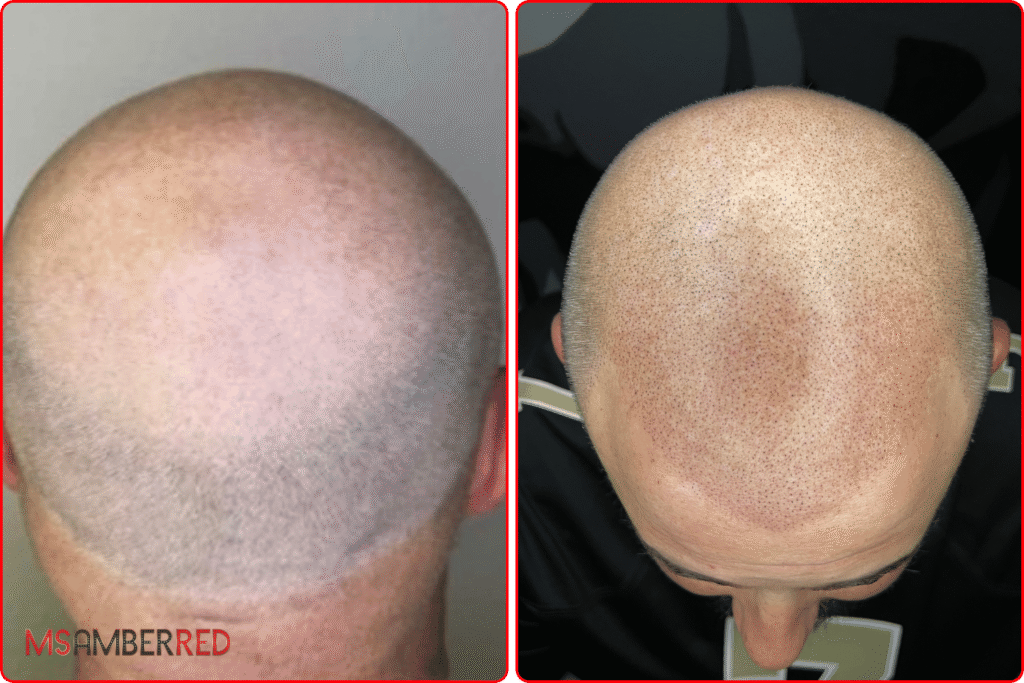
Scalp micropigmentation is a non-surgical cosmetic procedure that creates the appearance of hair by placing tiny pigment deposits throughout the scalp.
These carefully placed impressions mimic natural hair follicles, helping create the illusion of a fuller head of hair or a freshly shaved look.
It’s important to understand that SMP doesn’t stimulate hair growth—it creates the appearance of density.
For many clients, that visual transformation is exactly what they’re looking for.
What Is a Hair Transplant?
A hair transplant is a surgical procedure that moves healthy hair follicles from one part of the scalp to areas affected by hair loss.
Unlike SMP, the goal is actual hair growth.
Results depend on several factors, including:
- the quality of your donor hair
- the extent of your hair loss
- genetics
- healing
- long-term hair retention
While many people achieve excellent outcomes, it’s important to remember that surgery doesn’t guarantee perfect density.
Comparing Cost
Budget is often one of the first considerations.
Hair transplant procedures commonly range from $8,000 to $20,000 or more, depending on the number of grafts needed. Some people require multiple surgeries to reach their desired density.
Scalp micropigmentation is typically much more affordable, with most treatments falling between $1,000 and $3,000 depending on the size of the treatment area.
Victor has treated clients who invested thousands of dollars in transplant procedures but still felt their hair looked thin. Adding SMP afterward helped create the fullness they had originally hoped to achieve.
Recovery Time
Another major difference is downtime.
Hair Transplant Recovery
Following surgery, it’s common to experience:
- swelling
- redness
- scabbing
- several weeks of visible healing
- months before new hair begins growing
Some clients also experience temporary shedding, often referred to as shock loss.
SMP Recovery
Healing after scalp micropigmentation is much simpler.
Most clients notice:
- mild redness for a day or two
- light flaking
- very little interruption to everyday life
Many return to work almost immediately after treatment.
Which Procedure Produces Better Results?
This depends entirely on your expectations.
Hair transplants can produce natural-looking hair growth, but the amount of density achieved varies from person to person.
Scalp micropigmentation offers immediate cosmetic improvement because the results don’t rely on hair growing in over time.
With SMP, clients know exactly what their hairline and density will look like once treatment is complete.
Victor has worked with clients whose donor hair was too limited for transplant surgery. In those cases, SMP created a clean, natural appearance that surgery simply couldn’t provide.
Who Is the Best Candidate?
Hair Transplants May Be Right If You:
- still have strong donor hair
- have mild to moderate hair loss
- are comfortable with surgery
- don’t mind waiting several months for final results
Scalp Micropigmentation May Be a Better Fit If You:
- want immediate improvement
- have advanced hair loss
- prefer a non-surgical solution
- wear your hair short or shaved
- want predictable cosmetic results
Neither treatment is automatically better—the best choice depends on your goals.
Can SMP Be Combined With a Hair Transplant?
Absolutely.
In fact, combining the two treatments often produces some of the most impressive results.
Scalp micropigmentation can:
- add the appearance of density between transplanted hairs
- camouflage transplant scars
- improve the look of thinning areas
- create a more defined hairline
Rather than replacing transplant surgery, SMP often enhances the final outcome.
What About Maintenance?
Hair transplant surgery is permanent because the transplanted follicles continue producing hair.
However, surrounding natural hair can continue thinning over time, which is why some people eventually need additional procedures.
Scalp micropigmentation gradually fades over several years.
Most clients simply schedule a refresh appointment every few years to maintain a crisp, natural appearance.
Victor always tells clients that gradual fading is expected and actually helps SMP continue looking realistic over time.
Is SMP Less Painful?
Both treatments involve some level of discomfort, but they’re very different experiences.
Hair transplant surgery involves injections, harvesting follicles, and a surgical recovery period.
Scalp micropigmentation feels much more like cosmetic tattooing.
Most clients describe it as manageable and are surprised by how comfortable the procedure is.
The Biggest Benefit Isn’t Hair—It’s Confidence
One thing we hear over and over again has nothing to do with pigment or surgery.
It’s confidence.
Hair loss affects how many people feel about themselves.
It changes the way they see photos, social situations, and even everyday interactions.
Victor has had clients tell him they finally stopped reaching for a hat every morning or worrying about how their scalp looked under bright lights.
For them, that’s the biggest transformation of all.
So…Which Option Is Right for You?
Choosing between scalp micropigmentation and a hair transplant comes down to your individual situation.
A transplant may be the right solution if you’re looking for real hair growth and have strong donor hair available.
SMP may be a better option if you want immediate cosmetic improvement, prefer to avoid surgery, or have more advanced hair loss.
In some cases, combining both treatments creates the best overall result.
The most important step is meeting with an experienced professional who can evaluate your hair loss honestly and explain all of your options—not just the service they provide.
If you’re considering scalp micropigmentation in Las Vegas, our team is happy to answer your questions and help you determine whether SMP is the right fit for your goals.