
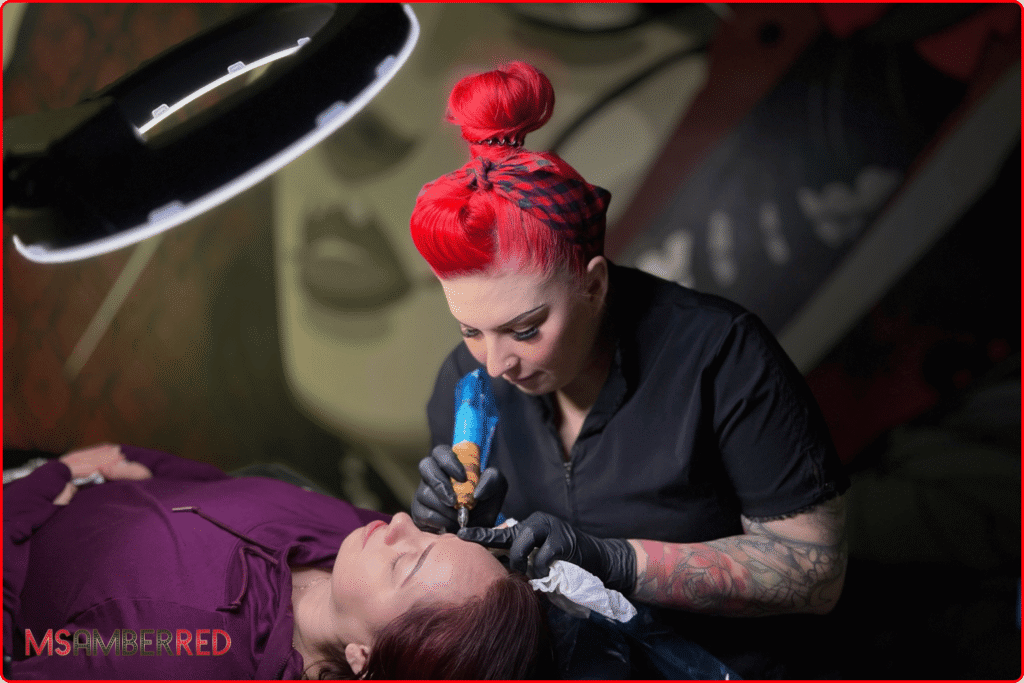
Thinking about getting permanent makeup? Before you book your brows, lip blush, or eyeliner appointment, there are a few things most clients never hear during their research.
That’s exactly what we talked about in this episode of the PMU Inspired by Ms Amber Red Podcast.
Instead of only looking at pretty before-and-after photos, this episode dives into what actually happens behind the scenes—how pigments are chosen, why healed results change over time, and what clients should ask before sitting in the chair.
🎥 Watch the full episode on YouTube HERE.
This isn’t meant to scare anyone away from permanent makeup. It’s meant to help clients make better decisions and understand what realistic healed results look like.
Why This Matters Before Booking Permanent Makeup
Most clients only see three things:
-
The before photo
-
The appointment itself
-
The healed after photo
What they don’t usually see is everything that affects the final result:
-
The type of pigment being used
-
How their skin holds color
-
Why one technique lasts longer than another
-
What happens during the healing process
-
How permanent makeup changes over the years
A lot of the frustration people have with permanent makeup comes from simply not being educated on these factors beforehand.
The Pigment Type Makes a Bigger Difference Than Most Clients Realize
One of the biggest topics we covered was the difference between organic and inorganic pigments.
Most clients have never heard those terms, but they can affect:
-
How the color fades
-
Whether the brows stay soft over time
-
How easy it is to adjust or correct the work later
-
The likelihood of unwanted gray or overly saturated brows
Years ago, the industry often marketed “forever brows.” Today, many artists are moving away from that mindset.
The goal isn’t to create brows that never fade. The goal is to create brows that age well and can be adjusted as your face, skin, and style change over time.
Color Changes During Healing Are Usually Normal
A very common question is:
“My brows are changing color during healing—did something go wrong?”
In most cases, no.
Brows may look:
-
warmer (pink or red tones)
-
cooler (gray or ashy tones)
-
darker
-
lighter
-
uneven
That’s because the skin is healing and the pigment is settling.
The fresh result is not the final result. Permanent makeup goes through several stages before the true healed color appears.
Hair Strokes Do Not Stay Crisp Forever
Whether you choose:
-
microblading
-
nano brows
-
machine hair strokes
all hair-stroke techniques soften over time.
As the skin heals and naturally changes, strokes can:
-
blur slightly
-
expand
-
blend together
-
create a softer powder-like appearance
This doesn’t mean the work was done incorrectly—it’s simply how pigment behaves in living skin.
If someone wants perfectly crisp hair strokes forever, permanent makeup may not be the best option, because skin is not paper.
Clients Should Feel Comfortable Asking Questions
We talked about this a lot in the episode because many clients worry about being “too much” when they ask questions.
You absolutely have the right to ask:
-
What pigments are being used?
-
What technique is recommended for my skin?
-
What should healing look like?
-
How long can I expect this to last?
-
What are the possible risks or limitations?
An artist should be able to explain these things clearly.
Educated clients usually heal better, panic less during the healing process, and end up happier with their long-term results.
👉 View our permanent makeup services: Permanent Makeup Services at Ms Amber Red
Permanent Makeup Is Not 100% Predictable
Even when the artist is experienced and using high-quality products, results can vary from person to person.
Things that can affect healing include:
-
oily vs. dry skin
-
hormones
-
medications
-
autoimmune conditions
-
sun exposure
-
skincare products
-
smoking
-
how well aftercare is followed
Permanent makeup is controlled artistry—not a guaranteed identical result on every client.
That’s why consultations are so important.
Eyeliner Will Soften Over Time
Another misconception is:
“I want black eyeliner that stays black forever.”
In reality, eyeliner usually fades gradually:
-
black
-
soft black
-
charcoal
-
gray tones
This is normal and is one reason many artists choose pigments and techniques that heal softer and more natural-looking over time.
Technique Choice Changes Longevity
Not all permanent makeup is designed to last the same amount of time.
For example:
-
Single-needle work tends to heal softer and fade faster.
-
Larger shader needles usually implant more pigment and last longer.
That’s one reason prices can vary between artists. You’re not just paying for the appointment—you’re paying for the technique, depth, pigment load, and expected longevity.
👉See upcoming PMU training and workshops: Upcoming PMU Training & Workshops
More Touch-Ups Are Not Always Better
This is one of the most misunderstood parts of permanent makeup.
Some clients think they need yearly touch-ups no matter what. In reality, overworking the skin can lead to:
-
oversaturation
-
blurry brows
-
scar tissue buildup
-
uneven color
A healthy approach is often:
-
Initial appointment
-
One true touch-up after proper healing
-
Then evaluate the brows over time before adding more pigment
Sometimes the best thing you can do is let the skin rest.
Don’t Rush Your Touch-Up Appointment
Healing takes longer than most people expect.
A good rule of thumb is:
-
Minimum: 8–10 weeks
-
Sometimes several months for a full evaluation
If you go back too soon, you may be touching up pigment that hasn’t fully settled yet.
The healed result tells the real story—not the fresh appointment.
Final Thoughts
This podcast episode isn’t about exposing the permanent makeup industry. It’s about helping clients understand what realistic, long-term PMU looks like.
The more a client understands:
-
how pigments fade
-
how skin heals
-
why techniques differ
-
why touch-ups aren’t always needed
the better the experience usually is for everyone involved.
Permanent makeup works best when it’s a collaboration between the artist and the client—not a mystery.